“At last, the bold and adventurous Eliza Scidmore has
the biography she deserves! Inspiring and well-researched,
this book is a thrilling look at an incredible woman
and a fascinating era in history.”
—Amy Stewart, New York Times best-selling author of The Drunken Botanist
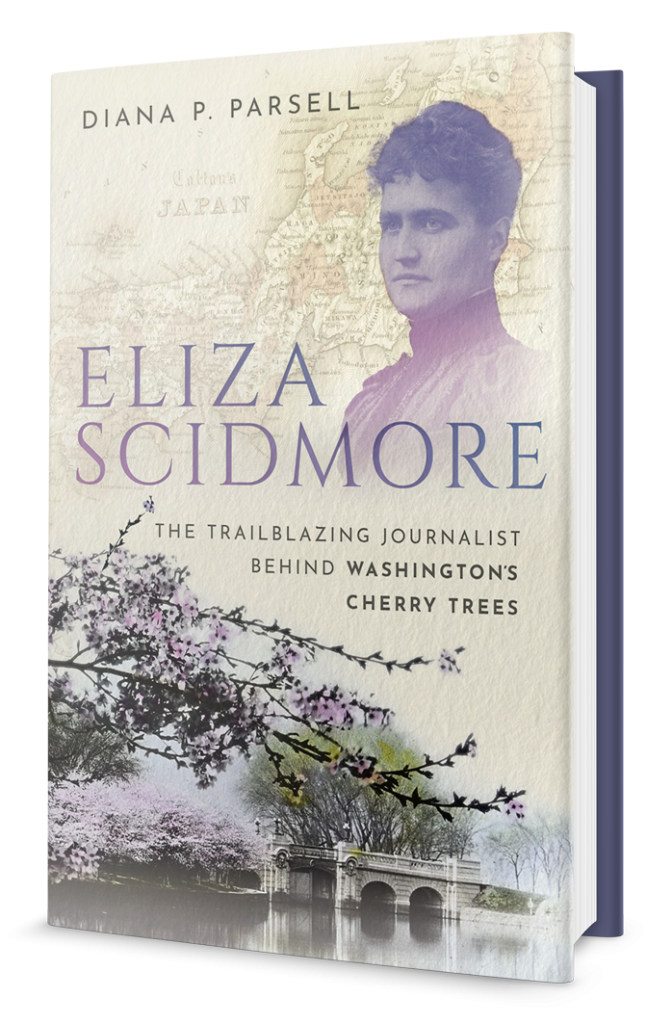
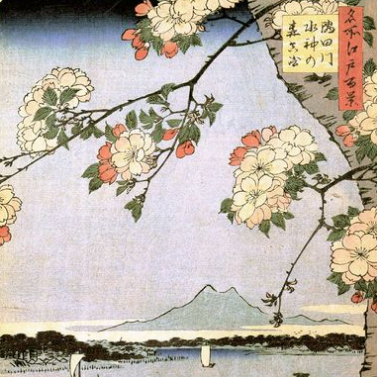
“On the Way Home,” by Kazumasa Ogawa in The Hanami (Flower-picnic), A.B. Takashima, 1899 (courtesy Special Collections, Claremont Colleges Library, Claremont, CA)
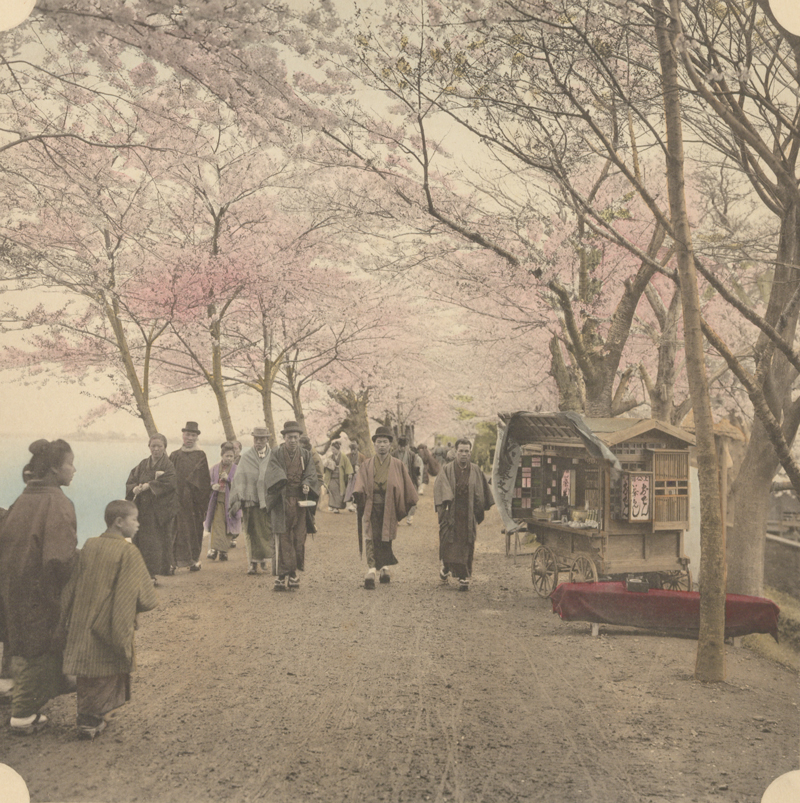
“On the Way Home,” by Kazumasa Ogawa in The Hanami (Flower-picnic), A.B. Takashima, 1899 (courtesy of Special Collections, Claremont Colleges Library, Claremont, CA)
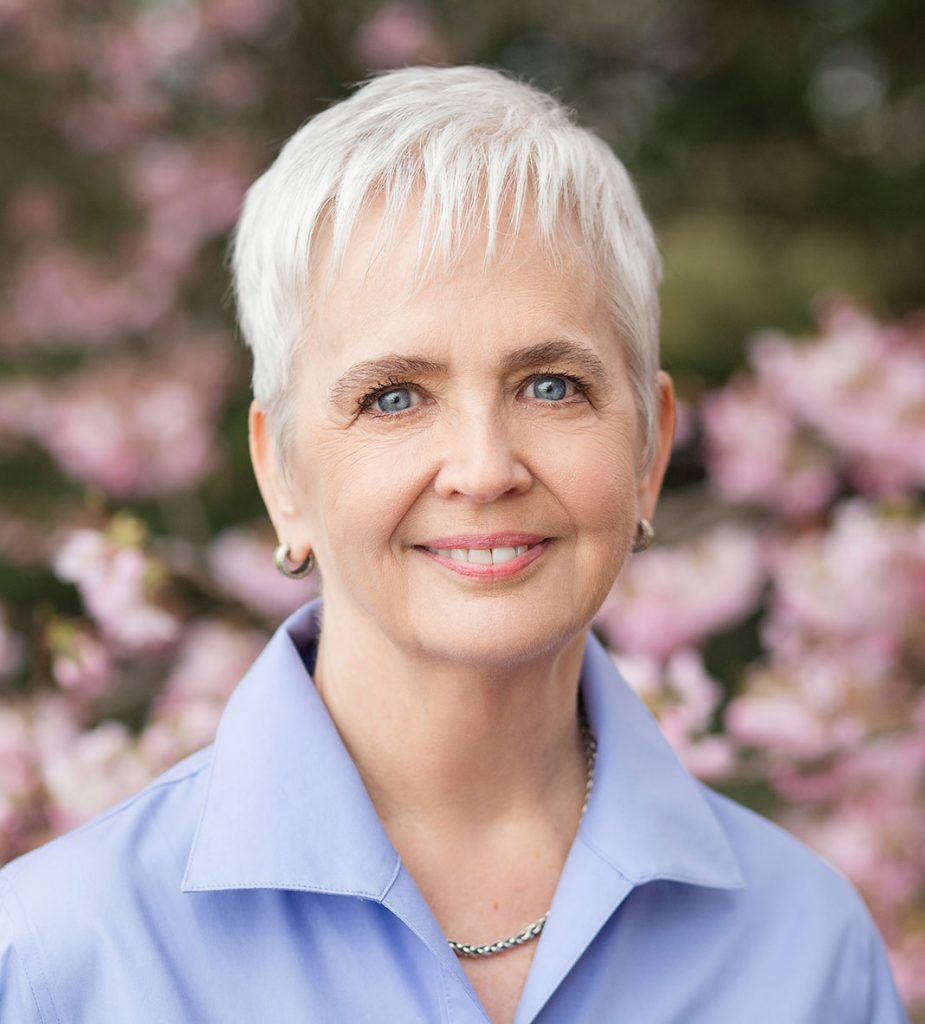
About Diana
Diana Parsell is a former journalist and science writer in the Washington, D.C., area. She has worked for publications and websites including National Geographic and The Washington Post, and for several major science organizations. Living and working in Southeast Asia led her to stumble onto the subject of her first book, a biography of the trailblazing 19th-century American journalist and travel writer Eliza Scidmore.
About the Book
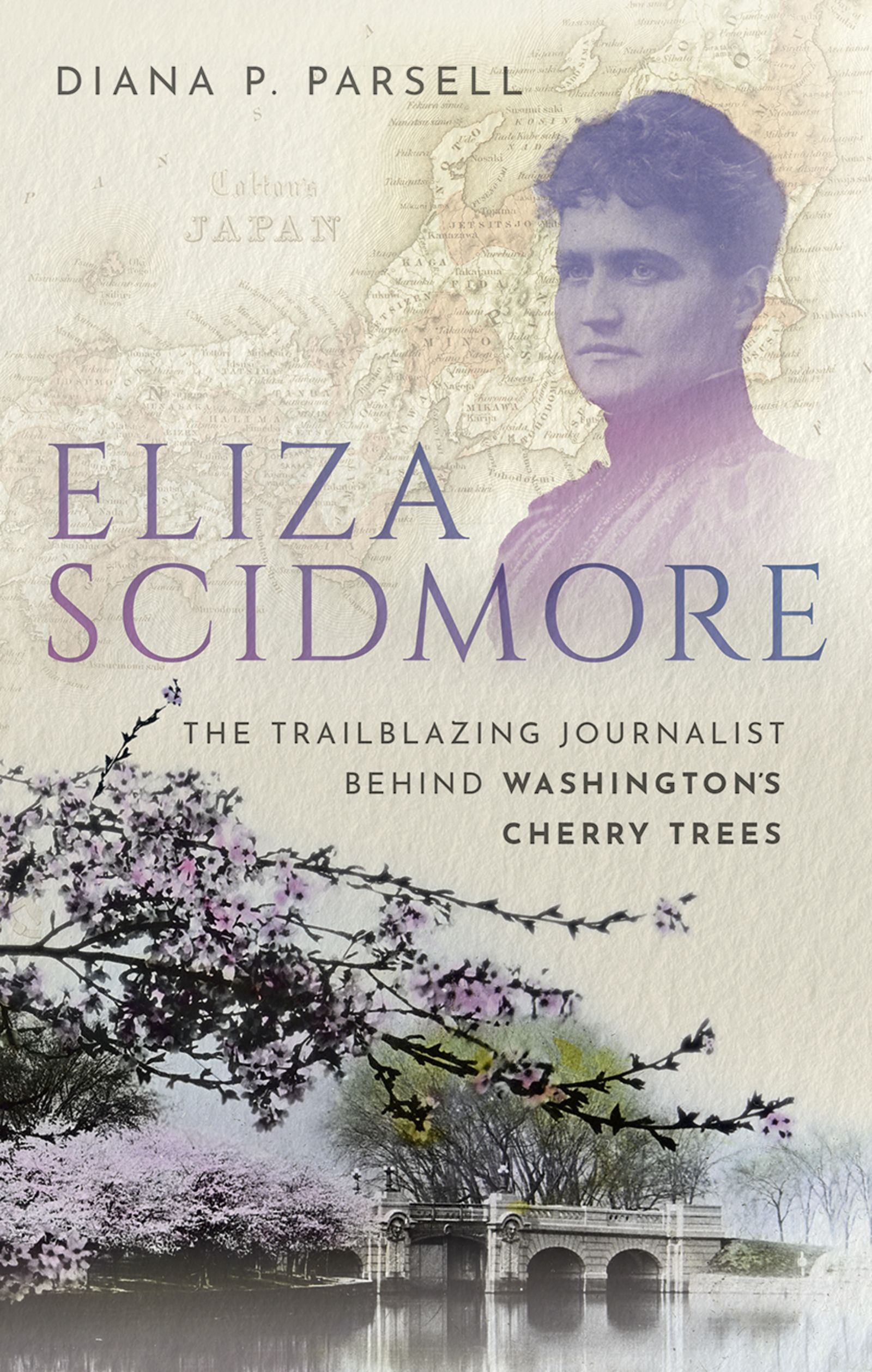
Nellie Bly meets Forrest Gump in this groundbreaking biography of a pioneering female journalist who blazed trails to modern tourism. Born on the American frontier just before the Civil War, Eliza Scidmore visited more places in her 20s than most people would see in a lifetime. By the end of the 19th century her travels were so legendary she was introduced at a meeting in London as “Miss Scidmore, of everywhere.” Her legacy endures in her obsessive quest to give Washington its now-famous Japanese cherry trees.
Watch & Listen
NBC’s “Today Show” with Kristen Welker
The George Washington University Museum
Biographers International Organization
Praise for the Book
“
This meticulously researched biography brings to life the woman whose curiosity and passion for travel bought the wonder of distant lands in words and pictures to American readers.
—Cathy Newman, author of Women Photographers at National Geographic
“
Eliza Scidmore literally changed the landscape of the nation’s capital. Parsell’s obsessive quest to piece together Scidmore’s extraordinary life moves this forgotten journalist from footnote to center stage.
—Lisa Napoli, author of author of Susan, Linda, Nina & Cokie: The Extraordinary Story of the Founding Mothers of NPR
“
How many trees become tourist attractions? Berlin has its lindens, California its giant redwoods—and Washington, D.C., its cherry trees. … This lively, informative biography restores rightful credit to Eliza Scidmore.
—Dominique Browning, Wall Street Journal
“
A riveting read … that brings to life the dynamic period from America’s Gilded Age into the 1920s, when Scidmore was an eyewitness to major world events. I highly recommend this book.
—Ann McClellan, author of Cherry Blossoms and The Cherry Blossom Festival
“
Parsell effectively reclaims Scidmore’s story for history and provides an enjoyable biography that offers important insights for historians interested in environmental journalism or travel writing.
—Ken J. Ward, American Journalism
“
This readable, well-researched biography will bring Scidmore back into the limelight, appealing to readers with an interest in geography, journalism, conservation, and women’s studies.
—Denise Miller, Library Journal
Eliza Scidmore Firsts
• In first wave of D.C.’s female reporters
• Wrote first guidebook on Alaska
• First to propose cherry trees
in Washington's Potomac Park
• First female board member and photographer for National Geographic
• Drafted first Grand Tour route
for China in late 19th century
Alaska tourists in Muir Inlet of Glacier Bay, c. 1890s (photo by G.D. Hazard, National Snow and Ice Center Data, Boulder, CO)
Latest Blog Post
Japanese TV reporter Miki Ebara plans to make a documentary of Eliza Scidmore. Meanwhile, she turned some of her footage into a 12-minute feature on Scidmore and my first-ever biography of her, for Japan’s NHK World (an English-language channel). It aired on March 27, 2024, during cherry blossom season in Washington and Japan. March 27 is regarded as “Sakura Day” in Japan, acccording to Chiaki Umemoto, representative director of the Eliza Scidmore Cherry Blossom Society in Yokohama. Sakura is the…
Read More